
Redevelopment · Neighborhoods
Redeveloped vs. Industrial West Bottoms
By Franny Knight · Published
Kansas City’s nearly $527 million West Bottoms redevelopment could reshape a historic industrial district. But will new homes and third places create community without erasing the neighborhood’s character?
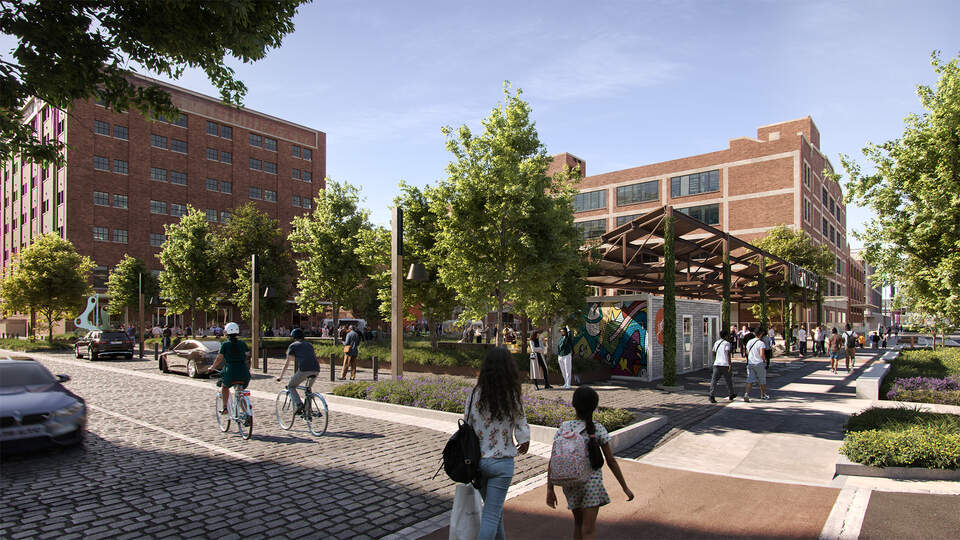
West Bottoms redevelopment concept rendering; proposed design, not a photograph of completed construction.
The West Bottoms Is Becoming Something New
The West Bottoms isn’t coming back. It’s becoming something new. For generations, people came here to work—in the stockyards, railroad yards, warehouses and factories. More recently, we’ve come for antiques, art, coffee, music, and the unapologetically gritty industrial architecture. Then, mostly, we went home.
Now that’s changing. Historic warehouse conversions, new apartments, commerce and infrastructure improvements are poised to make this a place where many more people actually live. But a collection of apartments doesn’t automatically become a neighborhood. A neighborhood needs places to linger, run into your neighbors, and feel like you belong. Urban thinkers call them third places: the social spaces beyond home and work.
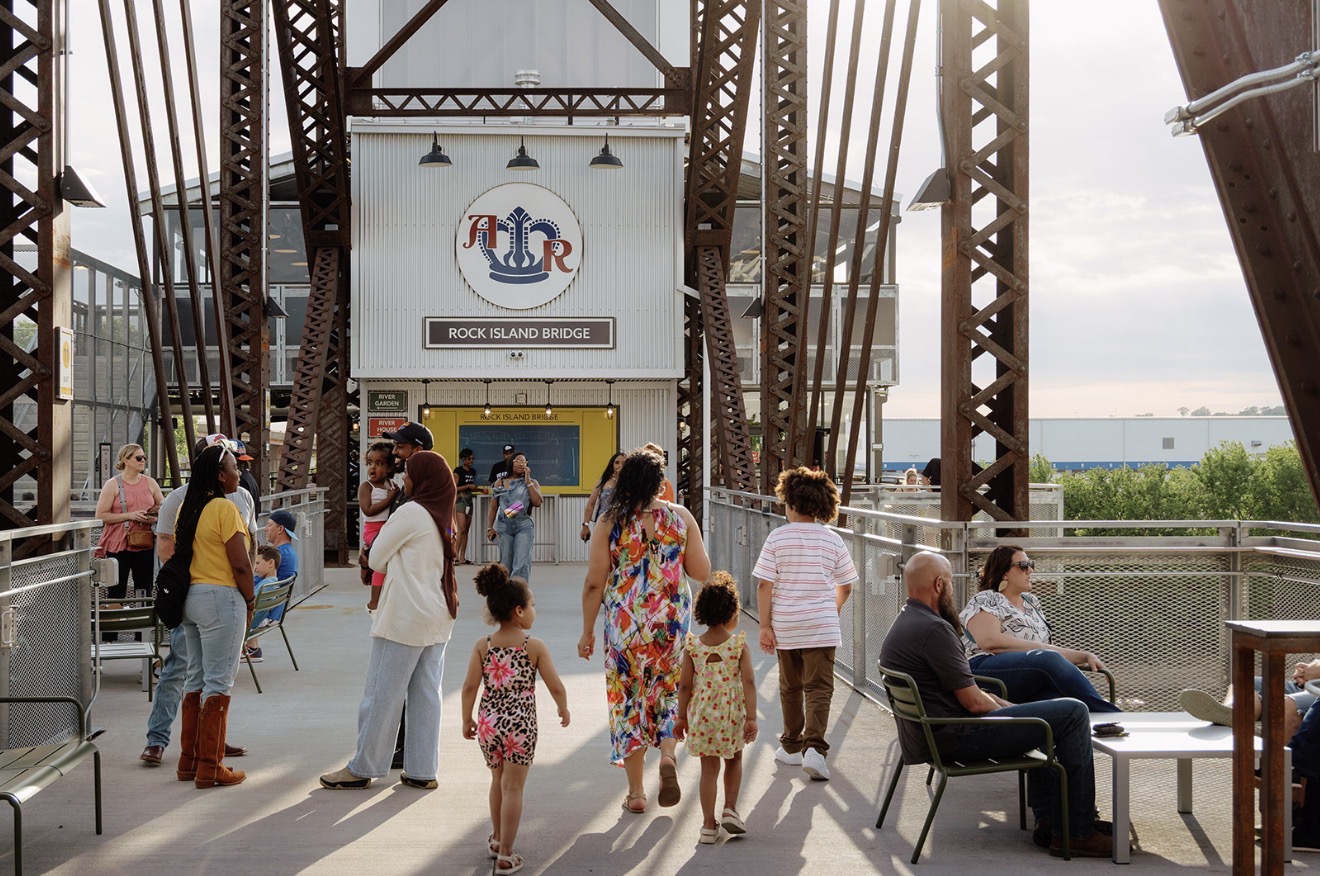
That’s why I’m watching not only the buildings, but the new public gathering places—including The Depot and the Rock Island Bridge. You can design a gorgeous plaza, but you can’t manufacture community on a spreadsheet.
How the West Bottoms Helped Build Kansas City
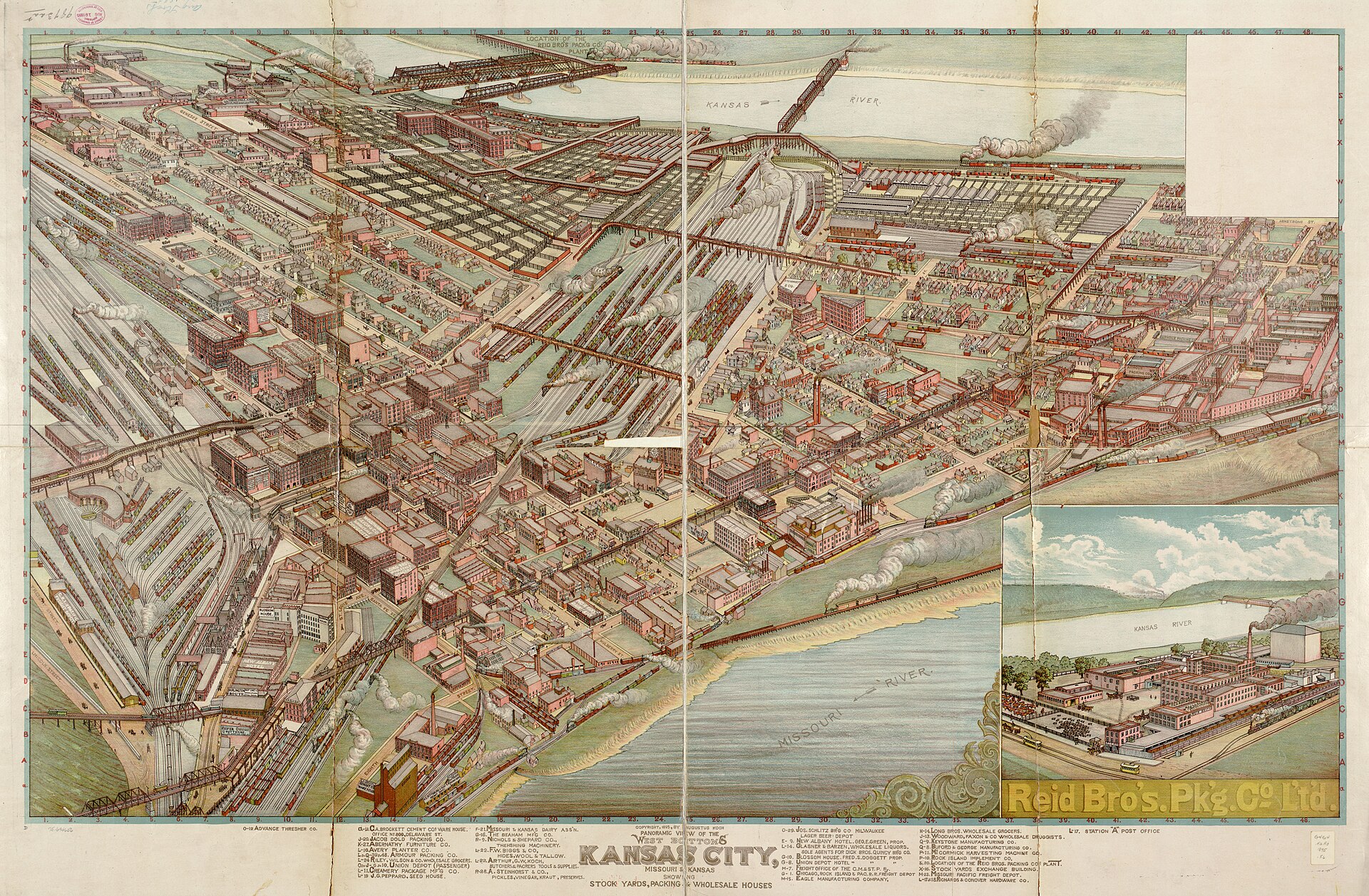
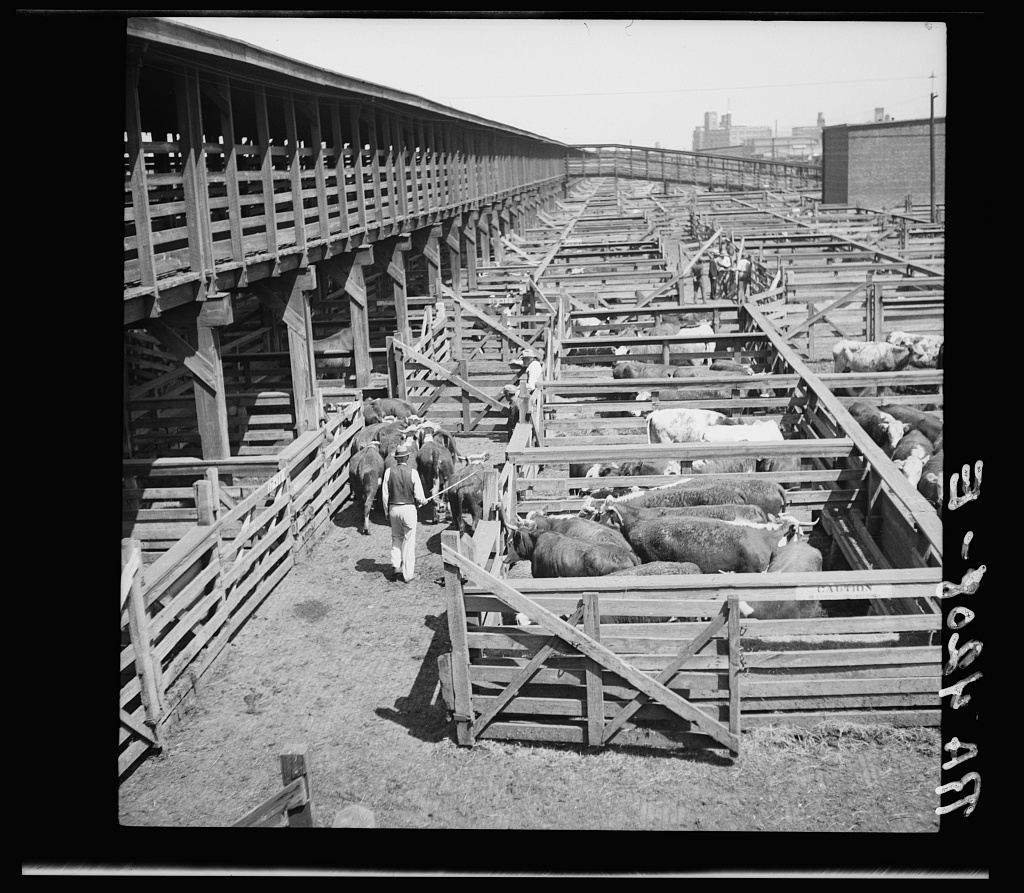
Long before redevelopment renderings, the West Bottoms was an engine of Kansas City’s growth. Rail lines brought livestock and goods; the Kansas City Stockyards, established in 1871, became one of the country’s largest livestock markets. Around them grew meatpacking, equipment manufacturing, hotels, restaurants and warehouses. The 1951 flood and a changing economy accelerated the departure of industry, but its built history remained.
Look around: enormous windows, heavy timber, old loading docks, tracks, and warehouses practically leaning into the streets. Those weren’t built to look good on social media. They were built to work. They’re imperfect, and that’s part of the charm—and the history worth treating with care.
A Nearly $527 Million Transformation
Developer SomeraRoad is leading a redevelopment program that Kansas City estimates at approximately $526.7 million, with about $45.8 million of city support for public infrastructure improvements. The developer’s long-range vision calls for more than 1,200 homes alongside offices, restaurants, retail, hospitality and gathering space. The city’s timeline stretches roughly 10 to 15 years, so we are still watching an unfolding story rather than a finished destination.
Some of the most compelling changes involve adaptive reuse, turning industrial structures into buildings people can inhabit and enjoy again. Historic preservation isn’t about sealing a neighborhood in amber. It’s about letting architecture carry memory forward while giving it a useful future.
Historic Buildings, New Homes—and The Henning Question
The Moline Plow Building at 1015 Mulberry, constructed in 1906, is being converted into approximately 121 apartments with ground-floor retail. Think about that: a building from Kansas City’s agricultural manufacturing era becoming someone’s home more than a century later.
The Avery is planned for a boutique hotel, while Perfection Stove and Crooks Terminal are part of the wider group of buildings slated for new commercial uses. Projects are at different stages, and proposals and completion dates can change.
The Henning is different. It’s new construction proposed at the former Weld Wheel building site, with roughly 290 apartments and commercial space. That raises the architectural question I can’t stop thinking about: Can new construction respect the West Bottoms’ industrial character without turning it into another generic mixed-use neighborhood?
More housing can be welcome. So can new investment. But if every industrial district ends up looking interchangeable, what exactly are we saving?
Third Places: Where Neighborhood Life Actually Happens
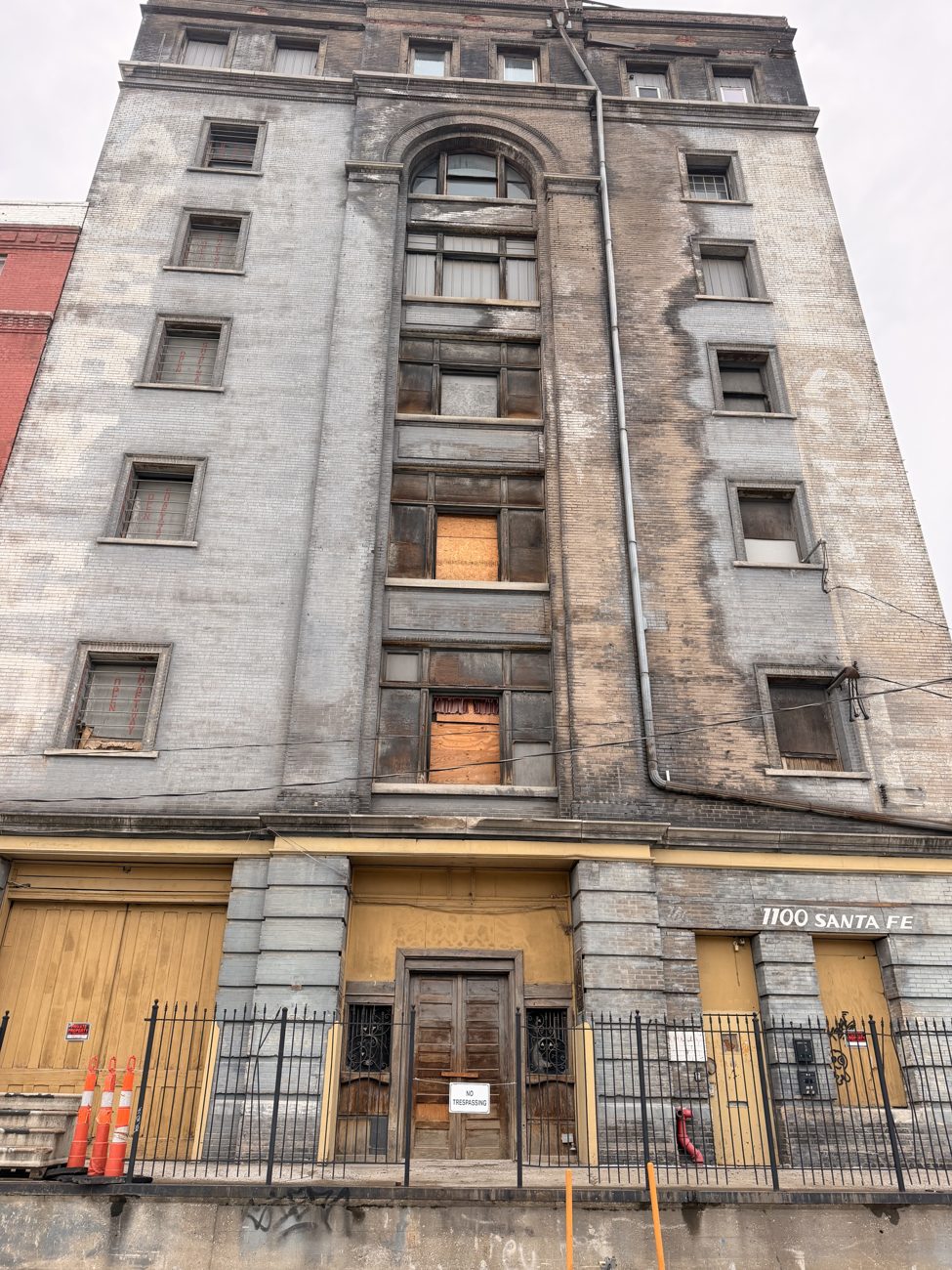
One of the most interesting parts of the West Bottoms plans isn’t a new apartment count. It’s a central gathering place near 11th and Santa Fe. Kansas City’s project materials call it Union Square Plaza; the developer and local reporting have called the same planned public area The Depot. It is designed for people to gather—not just pass through—with space for seating, events, art and everyday encounters. Right at its edge stands the Avery Building at 1100 Santa Fe—the same Avery proposed for a boutique hotel. If that plan comes together, a preserved historic façade could help frame daily life around a brand-new public square, and I’ll be watching whether that old brick face makes the plaza feel rooted in the neighborhood or simply serves as a handsome backdrop.
And a different kind of third place already exists nearby. The Rock Island Bridge opened to the public in April 2026, transforming a former railroad bridge over the Kansas River into a social destination with food, events and a remarkable view of the city. I recently hosted a client gathering there. It’s an extraordinary example of industrial infrastructure finding a new role in people’s lives.
These spaces serve different parts of the broader West Bottoms. A plaza or bridge can become a neighborhood asset when people feel welcome enough to return. That means the real test is not only the ribbon-cutting, but whether residents and longtime Kansas Citians can comfortably use these places again and again.
Are they accessible? Affordable? Inviting on an ordinary Tuesday, not just for a special event? We’re building the buildings—but are we building community?
See Rock Island Bridge today →
The Unseen Work That Makes a Neighborhood Possible
That social life depends on some very unglamorous work below the sidewalks. The city’s $45.8 million in supported infrastructure improvements helps address streets, lighting, water and sewer lines, pedestrian access and public spaces. A century-old working district cannot simply absorb new apartments, hotels and crowds without upgraded systems.
That matters to people who live and work here now, too. Successful redevelopment isn’t just a dramatic skyline photo; it’s about whether a place functions well for daily life.
Who Gets to Stay?
Before a half-billion-dollar redevelopment became the headline, the West Bottoms was being shaped by independent businesses, artists, antique dealers, makers, bar owners and the people who kept showing up. Places like Bella Patina, Blip Roasters, The Ship and Hammerpress helped turn overlooked buildings into a cultural destination.
With outside investment come legitimate questions about rising commercial rents, affordability and who benefits. We see the pattern in cities everywhere: inexpensive spaces attract artists and entrepreneurs; they create culture; culture brings demand; demand draws capital—and sometimes the original people can’t afford to stay.
To me, the question isn’t simply preservation versus development. It’s whether we can invest in the West Bottoms while making space for the people and businesses that gave it its personality. Third places are an important part of that conversation, but they only help if people feel that those places are for them.
A View From the Livestock Exchange
My Urban Cool KC office and studio sit inside the historic Livestock Exchange Building. This isn’t a redevelopment I only read about. I’m watching it happen around me. I notice the construction, the old buildings finding new uses, the businesses that stay and the ones that struggle.
The stockyards aren’t coming back. That chapter belongs to history. But the buildings, tracks, loading docks and stories are still here. What happens next is going to tell us a great deal about the kind of Kansas City we’re creating.
So here’s the question I hope you’ll consider: Can we build new homes, revive historic warehouses and welcome new neighbors without losing what made the West Bottoms worth caring about? That’s a Kansas City story worth following.
Research sources
- Kansas City: West Bottoms Redevelopment
- SomeraRoad: The West Bottoms
- Kansas City Star: West Bottoms construction and The Depot, June 2026
- Rock Island Bridge: April 2026 opening
- Rock Island Bridge: current venue photos and amenities
- KCUR: neighborhood voices and developer plans
- Historic West Bottoms: neighborhood history